
Wind Damage Roof: Signs, Insurance & What to Do in 2026 (PA, WV, OH)
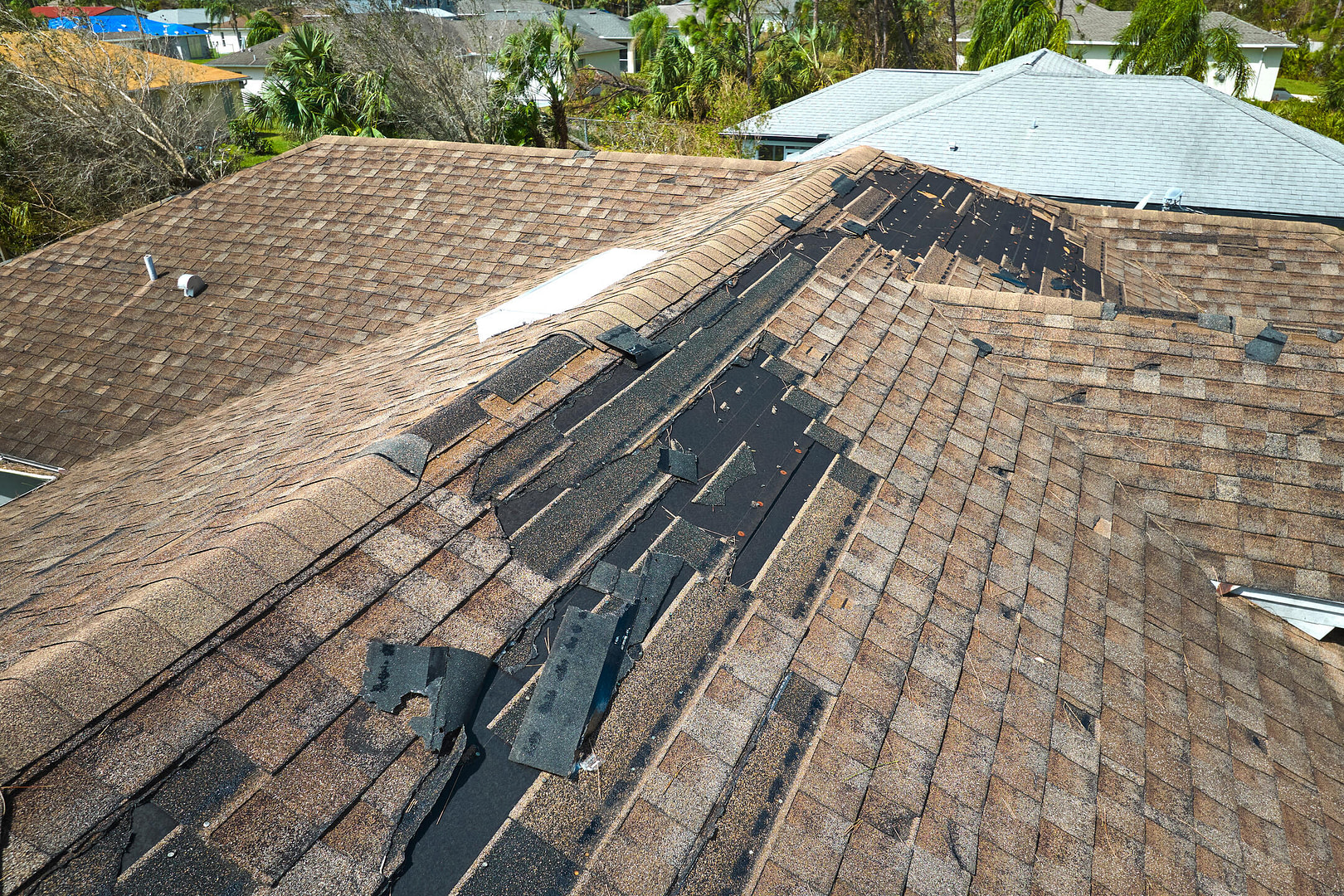
Did a storm just blow through? Wind damage to your roof is often subtle - a few lifted shingles can break the seal and let water in for months before you notice. This 2026 guide covers the 7 signs of wind damage, what wind speeds cause it, insurance tips, and exactly what to do next in PA, WV, and OH.
Wind and hail together account for the largest share of homeowner insurance claims in the country. Unlike obvious storm damage, wind damage is sneaky and progressive: one loose shingle lets wind get underneath the next, creating a chain reaction that can spread across your whole roof. Catching it early is what protects your home and your wallet.
At Tri-Link Contracting Services, our veteran-owned team has inspected and restored thousands of storm-damaged roofs across Pittsburgh, Washington County, Allegheny County, Morgantown WV, and Wheeling WV. Here's how to know if wind hurt your roof.
- Wind damage can start at just 45-50 mph on older roofs
- Edges, eaves, and ridges take the most uplift force
- Lifted shingles break the seal and let water in - even if none are missing
- Functional damage (not cosmetic) is what insurance pays for
- A free professional inspection catches the hidden damage you can't see
What Wind Actually Does to Your Roof
Wind doesn't hit your roof evenly. It catches the edges, eaves, and rake first and tries to lift shingles upward, while the center holds stronger. When wind gets under a shingle, it breaks the adhesive seal that bonds the layers together. Even if the shingle settles back down and looks fine, that broken seal means it can no longer shed water properly.
The danger is the chain reaction: one lifted or missing shingle exposes the edge of the next, so wind peels them away one after another. Add flying debris - branches, neighbor's shingles, loose objects - and you get cracks, dents, and punctures on top of the uplift damage.
What Wind Speed Causes Roof Damage?
You don't need a hurricane to damage a roof. Here's how wind speed relates to damage:
| Wind Speed | Typical Effect on Roof |
|---|---|
| 45-50 mph | Damage can begin on older or poorly installed roofs |
| 50-58 mph | Loose, lifted, and broken seal strips |
| 58-75 mph | Shingles in good condition can tear off |
| 75-90 mph | Significant damage; multiple shingles lost |
| 90+ mph | Severe; large sections or structural damage |
Your roof's age and installation quality matter as much as the wind speed. Aging or improperly installed shingles can fail well below their rated wind speed.
7 Signs of Wind Damage on Your Roof
1. Missing Shingles
Obvious gaps where shingles blew off - check your yard and gutters for the missing pieces.
2. Lifted or Curling Shingles
Shingles that no longer lie flat have a broken seal, even if they look mostly in place.
3. Creased Shingles
Visible horizontal fold lines where wind bent a shingle back before it settled - a clear functional failure.
4. Granule Loss
Dark, sand-like granules collecting in gutters and downspouts after a storm signal stressed shingles.
5. Exposed Underlayment
Bare patches where the protective shingle layer is gone, leaving the underlayment or deck exposed.
6. Damaged Flashing, Soffit & Fascia
Wind loosens the flashing around chimneys and vents, and can crack or separate soffit and fascia.
7. Sagging Gutters and Interior Stains
Detached gutters indicate uplift at the edge, while ceiling stains or attic leaks mean water is already getting in.
How to Safely Inspect for Wind Damage
You can spot most signs without climbing up - which you should never do after a storm:
- Walk the perimeter: Photograph shingles on the ground, debris, and visible roof gaps, with the date on each photo
- Use binoculars: Scan the ridge, eaves, and rake edges - the most uplift-prone areas
- Check gutters: Look for granule buildup and detached sections
- Inspect the attic: Use a flashlight to look for daylight through the deck, wet insulation, or water trails
- Check ceilings: Fresh stains or bubbling paint can appear days after the storm
Cosmetic vs Functional Damage
This distinction decides whether your claim is approved. Cosmetic damage - scuff marks from debris - may look alarming but doesn't affect your roof's ability to shed water. Functional damage - creased shingles, broken seal strips, exposed underlayment - compromises waterproofing and is what insurers pay to fix. A professional inspection documents the functional damage that matters for your claim.
What to Do After a Windstorm: Step by Step
Step 1: Document Everything
Photograph all damage from safe, ground-level vantage points, and note the date and severity of the storm.
Step 2: Stop Active Leaks
If water is coming in, get emergency tarping right away to prevent further damage while you arrange repairs.
Step 3: Get a Professional Inspection
Have a licensed roofer like Tri-Link document the full, functional scope of damage before you call your insurer.
Step 4: File Your Claim Promptly
Wind claims have filing deadlines. Our roof insurance claim guide walks you through ACV vs RCV, deductibles, and the process.
Step 5: Choose a Local Contractor
Avoid out-of-town storm chasers. Pick an established local company that will stand behind the work.
Does Insurance Cover Wind Damage?
Yes - wind is a standard covered peril in most homeowners policies. If wind tore off or lifted shingles and broke their seal, your policy typically covers repair or replacement, minus your deductible. If water then got in through the damage, that's usually covered too.
Claims get denied when insurers argue the damage is wear and tear, the roof was old or poorly maintained, or the damage is cosmetic-only. That's why documentation and a professional inspection matter so much - they establish that the damage is functional and storm-related. Roof age also affects payout amounts, which we explain in our insurance guide.
Wind Damage: Repair or Replace?
The right choice depends on how widespread the damage is:
- Repair when: damage is isolated to a few shingles on a roof with good remaining life
- Replace when: damage is widespread, decking is exposed, the roof is aging, or it's been patched multiple times
Extensive wind repairs involving decking and resheathing can run $1,500 to $8,000 or more. If your roof is near end-of-life, a full replacement lets you upgrade to impact-resistant shingles. See our repair vs replacement guide to weigh your options.
How to Prevent Wind Damage
You can't stop the wind, but you can harden your roof against it:
- Upgrade to wind-rated shingles: Class 4 impact-resistant shingles withstand higher winds and may earn 10-28% insurance discounts
- Insist on proper installation: Six-nail fastening, sealed starter strips, and reinforced flashing dramatically improve uplift resistance
- Maintain flashing and gutters: Keep seals tight and gutters clear before storm season
- Schedule annual inspections: Catch lifted edges and cracked sealant before the next storm
Choosing the right shingle matters too - see our architectural vs 3-tab shingles comparison, where architectural shingles rate for 110-130 mph winds.
Why Choose Tri-Link Contracting
When wind hits, you want a roofer who responds fast and works honestly with your insurer. Here's why homeowners across Pittsburgh, Washington County, Allegheny County, Morgantown WV, Wheeling WV, and Cuyahoga County OH trust Tri-Link.
- Veteran owned and operated with military discipline and honest work
- 15+ years of experience with wind and storm damage across PA, WV, and OH
- A+ BBB rating and trusted by the Better Business Bureau
- 4.9-star Google reviews based on 110+ verified customers
- Free storm damage inspections with detailed documentation
- Honest claim guidance - we never inflate damage or claims
- Local, established team - not storm chasers who disappear
Think Wind Damaged Your Roof? Get a Free Inspection.
Find out fast from the most trusted veteran-owned roofing team in PA, WV, and OH. Honest answers, no pressure, no surprises.
Final Thoughts
Wind damage is one of the most common - and most overlooked - roof problems. Because lifted and creased shingles often look fine from the ground, the smart move after any significant windstorm is a free professional inspection while your insurance window is open and the damage is still small.
Tri-Link Contracting has helped homeowners across Pittsburgh, Washington County, Allegheny County, Morgantown WV, Wheeling WV, and Cuyahoga County OH spot and fix wind damage honestly for over 15 years.
Worried about wind damage? Call us at 724-470-7669 or request your free inspection online.

Frequently Asked Questions
Have more questions about wind damage to your roof? Here are the most common questions we hear from homeowners across PA, WV, and OH.
Roof damage can begin at sustained winds of 45 to 50 mph, especially on older or poorly installed roofs. Winds above 58 mph can tear off shingles in good condition, and speeds over 90 mph almost always cause severe damage. Your roof's age and installation quality matter as much as the wind speed.
Signs include missing shingles, lifted or curling shingles, creased shingles with visible fold lines, granule loss, exposed underlayment, damaged flashing, sagging gutters, and interior water stains or attic leaks. Wind damage is often subtle, so a professional inspection is the most reliable check.
Yes, most homeowners policies cover sudden wind damage as a windstorm peril, minus your deductible. Coverage depends on your roof's age, condition, documentation, and whether the insurer agrees the damage was storm-related rather than wear and tear.
Do a safe ground-level inspection, photograph all damage with dates, check gutters and your attic, and avoid climbing the roof. If water is coming in, get emergency tarping, then schedule a professional inspection and file an insurance claim if the damage is significant.
Cosmetic damage like scuff marks doesn't affect your roof's ability to shed water. Functional damage such as creased shingles, broken seal strips, and exposed underlayment compromises waterproofing and is what insurers look for when approving a claim.
Not always. Isolated damage can often be repaired. Widespread damage, exposed decking, an aging roof, or multiple previous patches usually call for a full replacement, which insurance may cover if the damage is storm-related.
Upgrade to wind- and impact-rated (Class 4) shingles, ensure proper six-nail installation and sealed starter strips, keep flashing and gutters maintained, and schedule annual inspections to catch loose shingles before storm season. Many insurers offer discounts for impact-rated roofs.
We serve Pittsburgh, Canonsburg, Bridgeville, Washington County, Allegheny County, Westmoreland County, Morgantown WV, Wheeling WV, northern West Virginia, Cuyahoga County OH, Lorain County OH, and surrounding areas.