
Ice Dams on Your Roof: Causes, Prevention & Removal (2026)
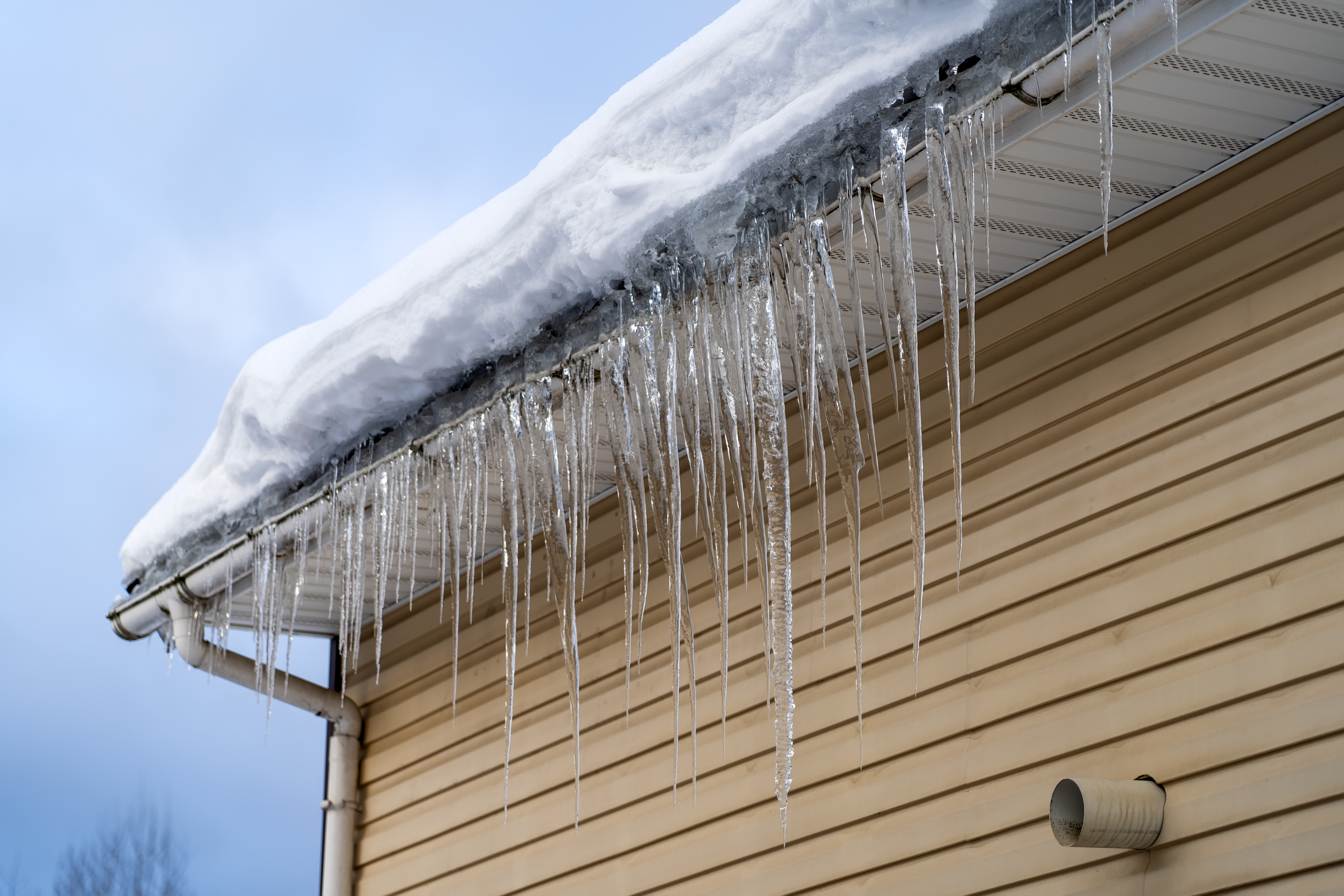
Seeing big icicles or water stains on your ceiling this winter? Ice dams are one of the most damaging - and most preventable - roof problems in cold climates like PA, WV, and OH. This 2026 guide explains what causes them, how to prevent them, and how to remove them safely before they wreck your roof.
An ice dam is a ridge of ice that builds up at the edge of your roof and traps melting snow behind it. That trapped water has nowhere to drain, so it works its way under your shingles and into your home - causing leaks, ruined insulation, mold, and rotted decking. The frustrating part is that ice dams are usually a symptom of a fixable attic problem.
At Tri-Link Contracting Services, our veteran-owned team has helped homeowners across Pittsburgh, Washington County, Allegheny County, Morgantown WV, and Wheeling WV stop ice dams at the source for over 15 years. Here's everything you need to know.
- Ice dams form when heat escaping the attic melts snow that refreezes at the eaves
- Trapped water backs up under shingles and leaks into your home
- The fix is keeping the roof cold: air sealing, insulation, and ventilation
- Never chip ice or climb an icy roof - use a roof rake or call a pro
- Large icicles and uneven snow melt are early warning signs
What Are Ice Dams?
An ice dam is a wall of ice that forms along the lower edge (eaves) of your roof. It builds up because snow on the warmer, upper part of your roof melts, trickles down to the colder eaves, and refreezes. As the cycle repeats through winter, the ice ridge grows and starts blocking any further meltwater from draining off the roof - so the water pools behind it.
That pooled water is the real danger. It's pushed sideways and upward by capillary action, slipping under your shingles and into the structure below.
How Ice Dams Form
Three conditions work together to create an ice dam:
- Heat escapes into the attic from the living space below, warming the underside of the roof deck
- Snow melts on the upper roof where it's warmer, and the water runs down toward the eaves
- The water refreezes at the cold eaves, which extend beyond the warm house and stay below freezing
Clogged or cold gutters make it worse - meltwater freezes in the gutters and adds to the dam. The root cause is almost always a roof that's warmer in the middle than at the edges.
Warning Signs of Ice Dams
Watch for these clues, especially after snowfall:
- Large icicles hanging from your eaves and gutters
- Uneven snow melt - bare patches on the upper roof while eaves stay snow-covered
- Ice buildup along the roof edge or in the gutters
- Water stains on ceilings or walls near exterior edges
- Damp insulation or moisture in the attic
Big icicles along your roofline aren't just pretty - they often mean liquid water is building up behind an ice dam, ready to find its way into your home.
The Damage Ice Dams Cause
Left unaddressed, ice dams cause expensive, cascading damage:
- Roof leaks: Water slips under shingles and drips into the attic and ceilings
- Rotted decking: Saturated roof sheathing weakens and must be replaced
- Ruined insulation: Wet insulation loses effectiveness and raises heating bills
- Mold growth: Trapped moisture breeds mold on wood and drywall
- Ceiling and wall stains: Interior cosmetic damage and bubbling paint
- Structural strain: In severe cases, heavy ice can overwhelm the roof edge
What starts as a few icicles can quickly become a major roof leak repair and interior restoration bill.
How to Prevent Ice Dams
The principle is simple: keep your entire roof the same cold temperature as the eaves. If the whole roof stays cold, snow won't melt unevenly and refreeze at the edge. You achieve this with three steps inside the attic:
1. Air Seal the Attic
Seal the bypasses that let warm air leak up from your living space - gaps around recessed lights, outlets, plumbing, exhaust fans, and especially the attic hatch. This is the single most effective step.
2. Add Insulation
Adequate attic floor insulation keeps heat in your living space instead of warming the roof deck. Most cold-climate homes benefit from topping up to current recommended levels.
3. Balance Your Ventilation
Proper ventilation flushes out any heat that does reach the attic. A balanced system pairs intake vents at the soffits with exhaust vents at the ridge, keeping the roof deck cold. Install baffles at the eaves so insulation never blocks the soffit vents.
Together, these keep the roof deck cold and dry - stopping ice dams at the source rather than fighting them every storm. After a heavy snowfall, you can also clear the lower few feet of roof with a roof rake to reduce the snow available to melt.
How to Remove an Ice Dam Safely
If a dam has already formed, prioritize safety. The safest options are:
- Roof rake (from the ground): Pull snow off the lower roof edge with a long-handled roof rake while standing safely on the ground
- Calcium chloride: Fill a fabric sleeve or old stocking with calcium chloride ice melt and lay it vertically across the dam to melt drainage channels
- Professional steaming: The safest and most effective method - pros use low-pressure steam to melt the ice without harming shingles
What NOT to Do
These common mistakes cause more damage or serious injury:
- Don't chip or hack at the ice - you'll gouge and crack your shingles
- Don't climb onto an icy, snowy roof - falls are a leading cause of serious injury
- Don't use rock salt (sodium chloride) - it corrodes metal, harms landscaping, and lets saltwater leak inside
- Don't ignore it - the longer water sits, the worse the damage gets
Does Insurance Cover Ice Dam Damage?
Many homeowners policies cover sudden water damage from ice dams - things like damaged ceilings, drywall, and insulation - minus your deductible. Coverage varies, and insurers may push back if the damage is tied to poor maintenance. Document everything with photos and dates. Our roof insurance claim guide explains how coverage, deductibles, and the claims process work.
Long-Term Roof Solutions
The best defense is built into your roof. During a roof replacement, a quality contractor installs an ice and water shield - a waterproof membrane along the eaves and valleys that blocks water even if an ice dam forms. Combined with proper attic insulation and ventilation, it's the most reliable way to protect your home for the long haul. A professional roof inspection can identify the weak points before winter.
Why Choose Tri-Link Contracting
Stopping ice dams means treating the cause, not just the symptom. Here's why homeowners across Pittsburgh, Washington County, Allegheny County, Morgantown WV, Wheeling WV, and Cuyahoga County OH trust Tri-Link.
- Veteran owned and operated with military discipline and honest work
- 15+ years of experience with cold-climate roofing across PA, WV, and OH
- A+ BBB rating and 4.9-star Google reviews from 110+ customers
- We fix the source - insulation, ventilation, and waterproofing, not just the ice
- Free, thorough inspections with honest recommendations
- Emergency leak response when ice dams cause active leaks
- 0% financing available for qualified homeowners
Stop Ice Dams at the Source
Get a free inspection from the most trusted veteran-owned roofing team in PA, WV, and OH. We find what's feeding your ice dams and fix it for good.
Final Thoughts
Ice dams look like a winter nuisance but can cause serious, expensive damage to your roof and home. The good news is they're highly preventable: keep your attic sealed, insulated, and well-ventilated so your whole roof stays cold, and add an ice and water shield when you re-roof. If a dam forms, remove it safely - never with a hammer or by climbing an icy roof.
Tri-Link Contracting has helped homeowners across Pittsburgh, Washington County, Allegheny County, Morgantown WV, Wheeling WV, and Cuyahoga County OH beat ice dams for over 15 years.
Dealing with ice dams? Call us at 724-470-7669 or request your free inspection online.

Frequently Asked Questions
Have more questions about ice dams? Here are the most common questions we hear from homeowners across PA, WV, and OH.
Ice dams form when heat escaping into the attic melts snow on the upper roof. The meltwater runs down to the cold eaves and refreezes, building a ridge of ice that traps water, which then backs up under the shingles and leaks into the home.
Keep your entire roof the same cold temperature as the eaves by air-sealing attic leaks, adding insulation, and ensuring balanced attic ventilation with soffit intake and ridge exhaust vents. Removing snow from the roof edge with a roof rake after storms also helps.
The safest methods are using a roof rake from the ground to clear snow from the edge, placing calcium chloride in a fabric sleeve across the dam to melt drainage channels, or hiring professionals to steam the ice off. Never chip at the ice or climb an icy roof.
Large icicles along your roofline are often a warning sign that water is building up behind an ice dam. Uneven snow melt on your roof, where the upper section clears but the eaves stay covered, is another clue that heat is escaping and feeding ice dam formation.
Many homeowners policies cover sudden water damage from ice dams, such as damaged ceilings and insulation, minus your deductible. Coverage varies by policy, so document the damage with photos and dates, and review your terms or consult your insurer.
Avoid rock salt (sodium chloride), which can corrode metal, harm plants, and let saltwater leak into your home. Calcium chloride placed in a fabric sleeve is a safer melting agent, but professional steam removal is the safest and most effective option overall.
Yes. Water backing up under shingles can rot the roof deck, ruin insulation, cause mold, stain ceilings, and in severe cases overwhelm the structure. Ice dams are a leading cause of winter roof leaks in cold climates like PA, WV, and OH.
We serve Pittsburgh, Canonsburg, Bridgeville, Washington County, Allegheny County, Westmoreland County, Morgantown WV, Wheeling WV, northern West Virginia, Cuyahoga County OH, Lorain County OH, and surrounding areas.