
Best Time to Replace a Roof: 2026 Seasonal Guide (PA, WV, OH)
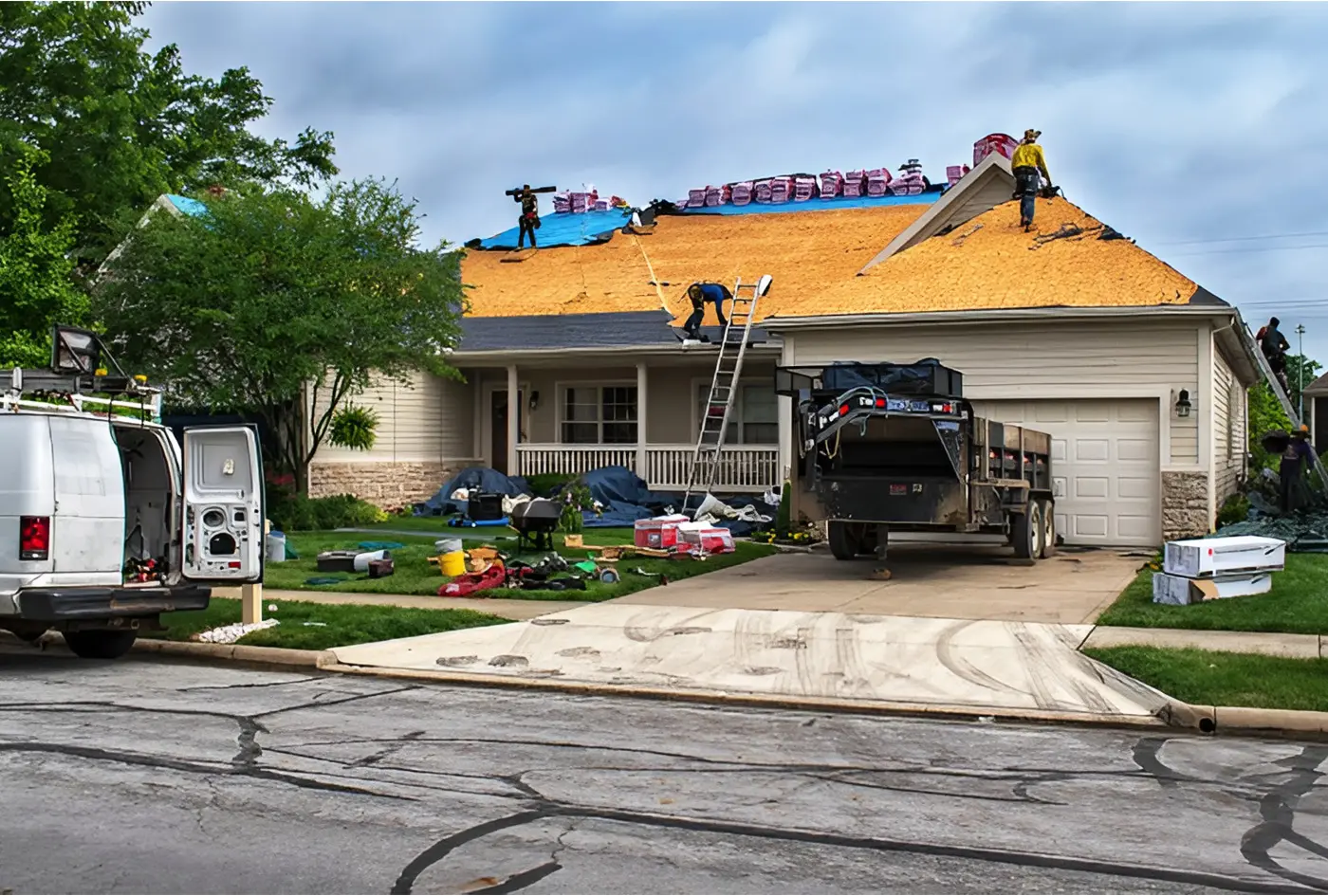
Wondering about the best time to replace a roof? Timing affects both quality and cost. This 2026 seasonal guide breaks down the pros, cons, and pricing of each season - and why fall is the gold standard - so you can plan the right window for your home in PA, WV, and OH.
Roofing materials aren't season-neutral. Asphalt shingles need the right temperature to seal properly, crews work best in comfortable weather, and contractor demand swings the price up or down through the year. Knowing how the seasons stack up helps you get a better roof for less money.
At Tri-Link Contracting Services, our veteran-owned team replaces roofs year-round for homeowners across Pittsburgh, Washington County, Allegheny County, Morgantown WV, and Wheeling WV. Here's the honest season-by-season breakdown.
- Fall (September-November) is the best season - ideal shingle sealing before winter
- Winter is the cheapest, often 5-15% below summer pricing
- Shingles need temps above 40°F to self-seal properly
- Book fall replacements 8-12 weeks ahead - it's peak season
- Never wait for the "perfect" season if your roof is actively leaking
Best Time to Replace a Roof: The Quick Answer
The best time to replace a roof is fall - September through November - when temperatures between 45°F and 85°F let asphalt shingles seal correctly before winter. For the lowest price, target winter or late winter, when demand drops and contractors offer better rates. But if your roof is failing or leaking, don't wait for any season - act now.
Fall: The Best Season (September-November)
Fall is the gold standard for roof replacement. Mild, stable temperatures and low humidity give asphalt shingle adhesive the perfect conditions to activate and seal - without the softening heat of summer or the brittleness of winter cold. Crews work efficiently in the comfortable weather, and your new roof gets sealed and ready before the first snow and ice dams arrive.
- Pros: Ideal sealing temperatures, dry weather, roof ready before winter
- Cons: Peak demand means higher prices (10-15% above spring) and booking delays
- Book: 8-12 weeks ahead - calendars fill fast
Spring: A Strong Runner-Up (Late March-June)
Spring is the second-best season. Temperatures are moderate, contractors are ramping up after winter, and it's the natural time to fix damage discovered after winter storms. The main drawback is unpredictable rain, which can stretch a 2-3 day project into a week or more. Booking early in spring gives you the best availability and pricing before the summer rush.
- Pros: Moderate temps, good availability, fixes winter damage
- Cons: Rain delays (15-20% chance), variable weather
Summer: Popular but Hot (June-August)
Summer is peak roofing season with long days and minimal rain delays. But extreme heat above 95°F can make shingles too soft to handle without scuffing, and dark roofs get brutally hot for crews. Schedules fill up 4-6 weeks ahead and pricing runs 5-10% higher. Early summer (June) is the sweet spot before the worst heat.
- Pros: Long daylight, minimal rain, fast curing
- Cons: Extreme heat softens shingles, higher demand and prices
Winter: The Cheapest Season (December-February)
Winter is the most economical time to replace a roof. It's the slow season, so contractors have availability and more room to negotiate - often 5-15% below summer pricing. The trade-off is real, though: below 40°F, shingles turn brittle and their self-sealing adhesive won't activate, so crews must hand-seal each shingle with roofing cement. In cold climates, snow and ice also create dangerous, slower working conditions. It's doable with an experienced cold-weather contractor, just not ideal.
- Pros: Lowest prices, best availability, negotiating power
- Cons: Brittle shingles, hand-sealing required, weather delays, slower work
Season-by-Season Comparison
| Season | Quality | Cost | Availability |
|---|---|---|---|
| Fall | Best | Higher | Limited (book early) |
| Spring | Good | Moderate | Good |
| Summer | Good | Higher | Limited |
| Winter | Fair | Lowest | Best |
For quality: target September or October. For savings: target winter or late winter. For speed: late spring, avoiding both the fall rush and summer heat.
Best Time for PA, WV, and OH
In our northern climate, the seasons matter more than in warm states. Fall is clearly the best window here - it lets your new roof seal fully before harsh winter snow, ice, and freeze-thaw cycles hit. Because everyone wants that window, book by mid-to-late summer. Winter roofing is hardest in PA, WV, and OH due to snow and deep cold, so it's best reserved for emergencies or handled by an experienced local crew. Spring is a reliable backup, especially for fixing damage found after winter.
When You Should NOT Wait for the "Best" Season
Seasonal timing only matters if your roof is stable. If your roof is actively leaking, missing shingles, or showing signs of failure, don't wait for fall - a damaged roof gets worse every single day, and the water damage will dwarf any seasonal savings. In that case, weigh a repair vs replacement now, and remember that if storm damage is involved, your insurer typically gives you 12-18 months to file, which our insurance guide explains.
Worried about cost driving your timing? Our financing options - including 0% APR for 12 months for qualified applicants - let you get the roof now and pay over time, so you never have to delay a failing roof.
Why Choose Tri-Link Contracting
Whatever season you choose, the contractor matters more than the calendar. Here's why homeowners across Pittsburgh, Washington County, Allegheny County, Morgantown WV, Wheeling WV, and Cuyahoga County OH trust Tri-Link.
- Veteran owned and operated with military discipline and honest work
- Year-round replacements with cold-weather expertise for winter jobs
- 15+ years of experience across PA, WV, and OH
- A+ BBB rating and 4.9-star Google reviews from 110+ customers
- 25-year workmanship warranty on replacements
- Free inspections and estimates to plan your ideal window
- Financing available including 0% APR for 12 months for qualified applicants
Plan Your Roof Replacement the Smart Way
Get a free inspection and estimate from the most trusted veteran-owned roofing team in PA, WV, and OH. Lock in the season that fits your budget and timeline.
Final Thoughts
The best time to replace a roof is fall, when mild weather lets shingles seal perfectly before winter - but winter offers the lowest prices if you can manage the cold-weather trade-offs. In PA, WV, and OH, aim for early fall and book in summer. And above all, don't let the calendar delay a failing roof: if it's leaking now, the smartest time to act is today.
Tri-Link Contracting replaces roofs in every season for homeowners across Pittsburgh, Washington County, Allegheny County, Morgantown WV, Wheeling WV, and Cuyahoga County OH.
Ready to plan your replacement? Call us at 724-470-7669 or get your free estimate online.

Frequently Asked Questions
Have more questions about when to replace your roof? Here are the most common questions we hear from homeowners across PA, WV, and OH.
Fall, specifically September through November, is the best time to replace a roof. Temperatures between 45 and 85 degrees Fahrenheit are ideal for asphalt shingles to seal properly before winter. Fall is peak season, so book several weeks to months ahead.
Winter and late winter/early spring are the cheapest times, with pricing often 5 to 15 percent below summer. Demand is lowest, so contractors have more availability and more room to negotiate, though cold weather adds installation challenges.
Yes, but it is more challenging in cold climates like PA, WV, and OH. Below 40 degrees, shingles become brittle and adhesive strips will not self-seal, so crews must hand-seal each shingle. Experienced contractors use cold-weather techniques to do it safely.
Only if your roof is in stable condition. If your roof is actively leaking or failing, do not wait. A damaged roof gets worse every day, and the water damage will cost far more than any seasonal savings you might gain by waiting.
Fall offers mild, stable temperatures and low humidity that let asphalt shingles seal correctly, plus it gets your roof ready before winter snow and ice dams. Crews also work efficiently in the comfortable weather, finishing the job faster.
For a fall replacement, book 8 to 12 weeks ahead since it is peak season. In slower winter and early spring months, you can often get earlier start dates and more competitive pricing with less lead time.
Yes. Labor rates and demand fluctuate through the year. Fall and summer run higher due to demand, while winter and early spring can be 5 to 15 percent cheaper. Material prices stay fairly stable year-round.
We serve Pittsburgh, Canonsburg, Bridgeville, Washington County, Allegheny County, Westmoreland County, Morgantown WV, Wheeling WV, northern West Virginia, Cuyahoga County OH, Lorain County OH, and surrounding areas.