
Hail Damage Roof: 7 Signs & What to Do in 2026 (PA, WV, OH)
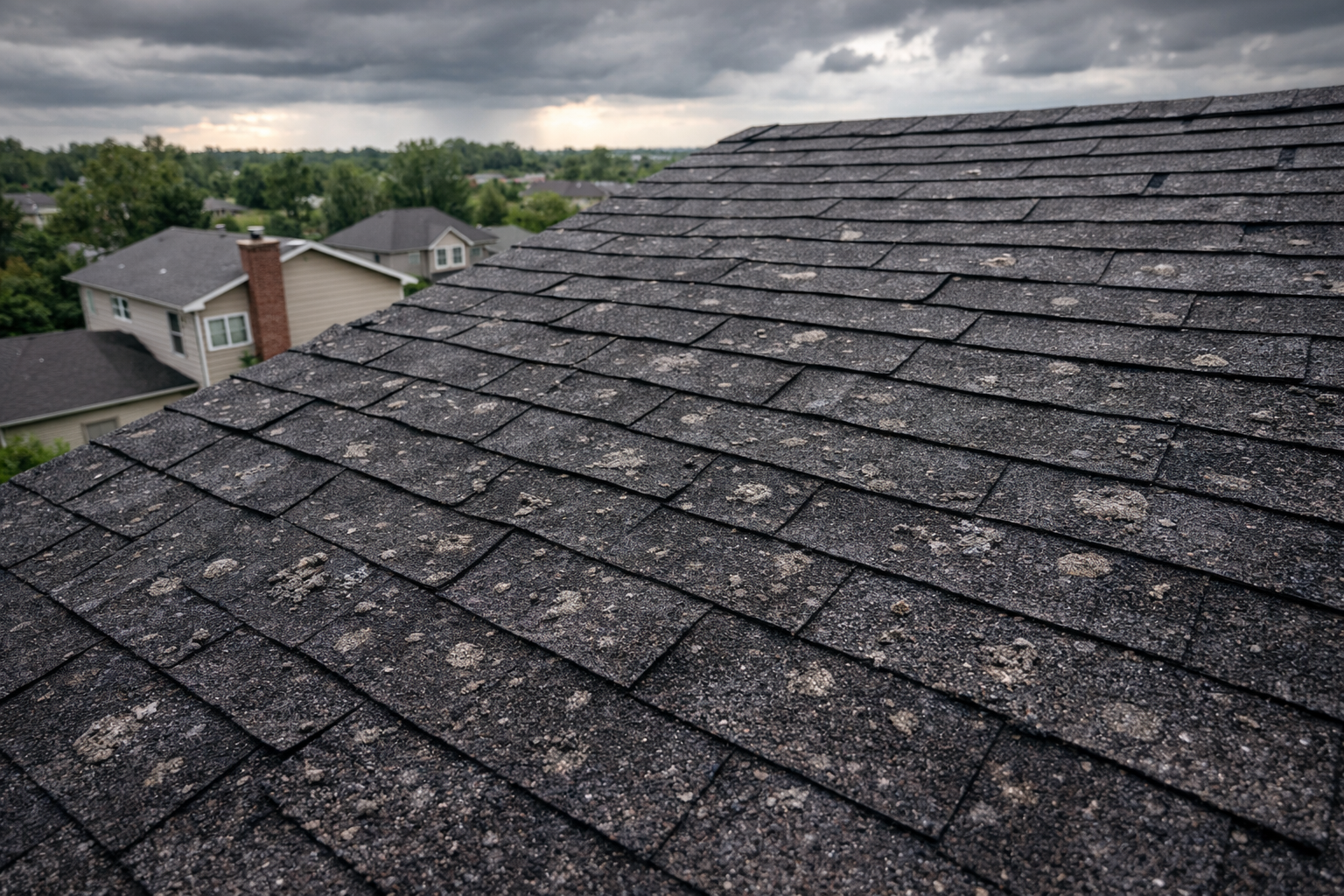
A hailstorm just rolled through and you're wondering if your roof took a hit? Hail damage roof problems are often invisible from the ground and can turn into costly leaks months later. This 2026 guide shows you the 7 warning signs, what different hail sizes do, and exactly what to do next in PA, WV, and OH.
Your roof takes the full force of every hailstorm. Even small hailstones traveling at high speed can crack the protective mat under your shingles and knock off the granules that shield your roof from the sun and rain. The tricky part? Much of this damage is subtle and only shows up later as leaks and premature roof failure.
At Tri-Link Contracting Services, our veteran-owned team has inspected and repaired thousands of storm-damaged roofs across Pittsburgh, Washington County, Allegheny County, Morgantown WV, and Wheeling WV. Here's how to know if hail hurt your roof and what to do about it.
- Hail damage often hides - bruising and granule loss aren't visible from the ground
- Hail as small as 1 inch (quarter-sized) can seriously damage asphalt shingles
- Granules in your gutters and dented metal are early warning signs
- Damage worsens over time and can cause leaks months after the storm
- A free professional inspection is the only reliable way to confirm hail damage
What Hail Actually Does to Your Roof
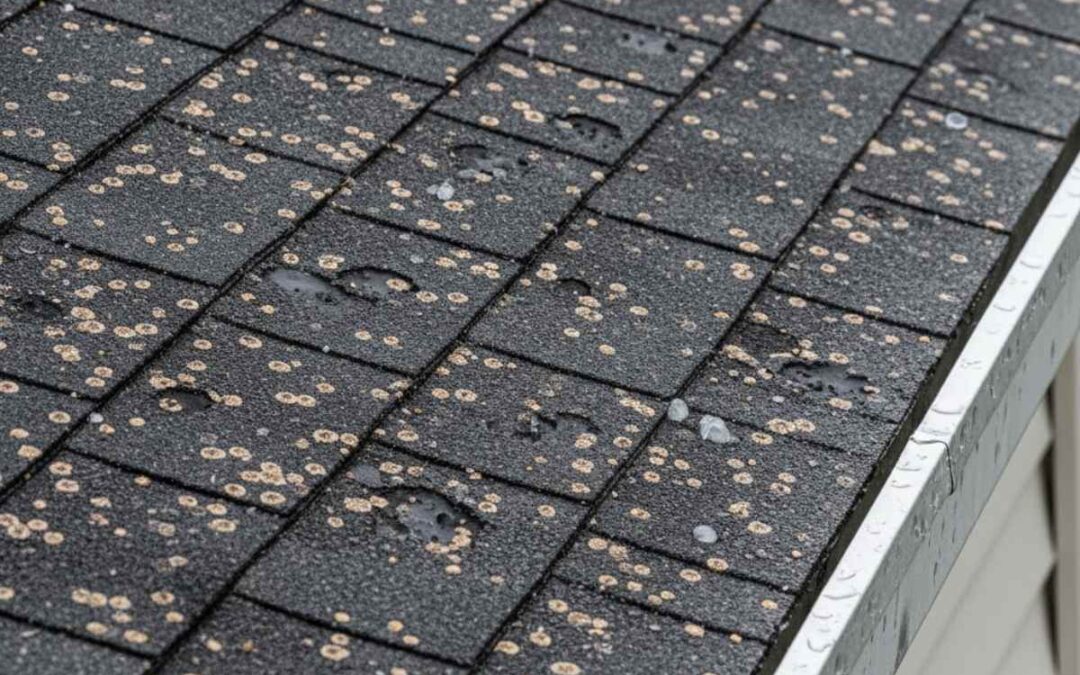
Hail doesn't always tear shingles off - more often it bruises them. The impact fractures the protective mat beneath the surface, so a shingle can look intact while being seriously weakened. At the same time, hail knocks loose the granules that protect the asphalt from UV rays and moisture.
Once granules are gone and the mat is cracked, the shingle ages fast and your roof's waterproof barrier is compromised. That's why a roof can pass a quick glance after a storm but spring leaks weeks or months later. Catching it early is what saves you thousands.
7 Signs of Hail Damage on Your Roof
Here are the most reliable indicators that hail damaged your roof:
1. Dents and Dimples on Shingles
Hail leaves circular dents or pits where stones struck, usually with displaced granules around the impact point.
2. Granule Loss and Bald Spots
Missing granules leave dark or shiny bald patches where the asphalt underneath is exposed. This is one of the clearest signs.
3. Granules in Gutters and Downspouts
Check your gutters and the ground beneath downspouts. A heavy collection of sand-like granules is a major red flag.
4. Soft, Spongy Bruised Spots
Gently pressed, a bruised shingle feels soft and gives slightly - like a bruise on fruit. This means the mat beneath is fractured.
5. Cracked or Split Shingles
Especially on older roofs, hail can crack, split, or shear shingles, leaving the underlayment exposed.
6. Dented Metal Surfaces
Vents, flashing, gutters, and downspouts show hail impact clearly. Dents on metal almost always mean your shingles took hits too.
7. Damage to Siding and Trim
Chipped paint or dented siding near the roofline is a strong sign the roof was hit as well.
Hail Size and Damage Chart
The bigger the hail, the worse the damage. Here's what different sizes typically do to an asphalt shingle roof:
| Hail Size | Comparison | Typical Roof Damage |
|---|---|---|
| 1/4 inch | Pea | Minor; weakens granules over time |
| 1/2 - 3/4 inch | Marble | Bruising, dents, granule loss |
| 1 inch | Quarter | Significant; dents, fractures, granule loss |
| 1.25 inch | Half dollar | Heavy bruising and cracking |
| 1.75 inch | Golf ball | Severe; shattered shingles, exposed underlayment |
| 2+ inch | Tennis ball+ | Extreme; widespread structural damage |
Insurance adjusters generally consider hail of 1 inch or larger capable of causing functional roof damage worth a claim.
How to Safely Inspect Your Roof After Hail
Your safety comes first. You can spot many signs without climbing onto the roof:
- Walk the property: Look for dents on gutters, downspouts, vents, and flashing
- Check the ground: Granules near downspouts or in flower beds signal shingle damage
- Use binoculars: Scan the roof surface for dark spots, dents, or missing shingles from the ground
- Inspect other surfaces: Dented AC units, mailboxes, or cars confirm hail was large enough to harm the roof
- Note the storm date: You'll need it for any insurance claim
Don't climb onto a roof to inspect hail damage yourself. It's dangerous, and you can cause more damage walking on compromised shingles. Let a trained professional do it safely.
Interior Warning Signs
Hail damage doesn't stop at the roof. Check inside, especially your attic and top-floor rooms, for:
- Water stains or discoloration on ceilings
- Musty odors that suggest moisture seepage
- Peeling paint or bubbling drywall
- Daylight or damp insulation visible in the attic
These interior clues often appear weeks after the storm and mean water has already found its way in.
What to Do After a Hailstorm: Step by Step
Step 1: Document Everything
Take dated photos of any visible damage to your roof, gutters, siding, and other surfaces. Note the date and time of the storm.
Step 2: Make Temporary Protections
If there's an active leak, place a bucket inside and, if safe, have a pro tarp the area to prevent further water damage.
Step 3: Get a Free Professional Inspection
Have a licensed roofer like Tri-Link inspect your roof. We find the hidden bruising and granule loss and give you a detailed damage report.
Step 4: Decide on an Insurance Claim
If the damage is significant, file a claim with your insurer. Our full roof insurance claim guide walks you through ACV vs RCV, deductibles, and the whole process.
Step 5: Choose a Reputable Local Contractor
Avoid out-of-town "storm chasers." Pick an established local company with a real address, reviews, and proper licensing to do the repair right.
Does Insurance Cover Hail Damage?
Yes - hail is one of the most common covered perils in homeowners insurance. If hail caused functional damage to your roof, your policy typically covers repair or replacement, minus your deductible. Note that many policies have a separate, often higher, wind and hail deductible.
How much you receive depends on whether you have Replacement Cost Value (RCV) or Actual Cash Value (ACV) coverage, and on your roof's age. We break this down completely in our does insurance cover roof replacement guide. The key takeaway: document the damage, file promptly, and have a contractor present for the adjuster visit so nothing is missed.
Hail Damage: Repair or Replace?
Whether you need a repair or a full replacement depends on the extent of damage and your roof's condition:
- Repair makes sense when: damage is minor, isolated to one area, and the roof is relatively new
- Replacement is better when: bruising and granule loss are widespread, the roof is older, or multiple slopes are affected
For older roofs with significant damage, a full roof replacement is usually the smarter long-term investment - and insurance often covers it. If you're seeing other issues too, review the signs you need a new roof.
Why You Shouldn't Wait on Hail Damage
It's tempting to ignore hail damage when there's no obvious leak - but waiting costs you:
- Damage worsens: Compromised shingles deteriorate fast, turning a repair into a replacement
- Leaks develop: Water intrusion shows up months later as ceiling stains and rot
- Claims expire: Insurance has filing deadlines tied to the storm date
- Weaker case: The longer you wait, the easier it is for insurers to blame age instead of hail
Why Choose Tri-Link Contracting
When hail hits, you want a roofer who's honest, local, and experienced with storm claims. Here's why homeowners across Pittsburgh, Washington County, Allegheny County, Morgantown WV, Wheeling WV, and Cuyahoga County OH trust Tri-Link.
- Veteran owned and operated with military discipline and honest work
- 15+ years of experience with storm and hail damage across PA, WV, and OH
- A+ BBB rating and trusted by the Better Business Bureau
- 4.9-star Google reviews based on 110+ verified customers
- Free storm damage inspections with no high-pressure sales
- Honest claim guidance - we never inflate damage or claims
- Local, established team - not storm chasers who disappear
Think Hail Hit Your Roof? Get a Free Inspection.
Find out fast if you have hail damage from the most trusted veteran-owned roofing team in PA, WV, and OH. Honest answers, no pressure, no surprises.
Final Thoughts
Hail damage is sneaky - it often hides under intact-looking shingles and shows up as leaks months later. The smartest move after any significant hailstorm is a quick, free professional inspection so you catch problems while they're still small and your insurance claim window is open.
Tri-Link Contracting has helped homeowners across Pittsburgh, Washington County, Allegheny County, Morgantown WV, Wheeling WV, and Cuyahoga County OH spot and fix hail damage honestly for over 15 years.
Worried about hail damage? Call us at 724-470-7669 or request your free inspection online.

Frequently Asked Questions
Have more questions about hail damage to your roof? Here are the most common questions we hear from homeowners across PA, WV, and OH.
Hail damage usually appears as circular dents or dimples on shingles, missing granules leaving dark or bald spots, soft spongy bruised areas, and cracks. You may also see clear dents on metal vents, flashing, and gutters, plus granules collecting in your downspouts.
Look for granules collecting in gutters and downspouts, dented metal surfaces, bruised or cracked shingles, and interior signs like ceiling stains. Much hail damage is hidden from the ground, so a professional roof inspection is the most reliable way to confirm it.
Hail as small as 1 inch (quarter-sized) can cause significant damage to asphalt shingles. Marble-sized hail can bruise shingles and knock off granules, while golf ball-sized hail (1.75 inches) or larger can shatter shingles and expose the underlayment.
If the damage is significant and exceeds your deductible, filing a claim is usually worthwhile. Homeowners insurance commonly covers hail damage as a covered peril. Get a professional inspection first to document the damage, and see our roof insurance claim guide for the full process.
Most policies require you to file within a set window after the storm, often a few months up to one year. Hail damage can also worsen over time, so it's best to get an inspection and file promptly while your claim window is open.
Yes. Hail fractures the protective mat beneath the shingle surface and knocks off granules, exposing the underlayment. Over time this allows moisture intrusion and leaks that may not appear until weeks or months after the storm.
Not always. Minor or isolated hail damage can sometimes be repaired. Widespread bruising, granule loss, or damage on an older roof usually calls for a full replacement. A professional inspection determines the right option for your situation.
We serve Pittsburgh, Canonsburg, Bridgeville, Washington County, Allegheny County, Westmoreland County, Morgantown WV, Wheeling WV, northern West Virginia, Cuyahoga County OH, Lorain County OH, and surrounding areas.