
Black Streaks on Your Roof? Algae Removal & Prevention (2026)
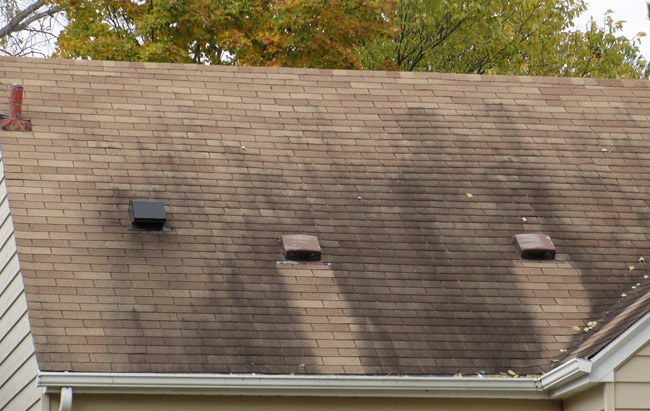
Noticed ugly dark streaks running down your roof? Those black streaks aren't dirt or a sign your roof is failing - they're a living algae. This 2026 guide explains what causes them, whether they're harmful, how to remove them safely (hint: never pressure wash), and how to stop them coming back in PA, WV, and OH.
The good news: black streaks are mostly a curb-appeal problem, and they're very fixable. The bad news: cleaning them the wrong way can wreck your shingles and void your warranty. Here's how to handle them the right way.
At Tri-Link Contracting Services, our veteran-owned team helps homeowners across Pittsburgh, Washington County, Allegheny County, Morgantown WV, and Wheeling WV keep their roofs clean and healthy. Here's what you need to know.
- Black streaks are algae (Gloeocapsa magma), not dirt or mold
- Mostly cosmetic, but they raise cooling costs and shorten roof life over time
- Remove with a soft wash - NEVER pressure wash shingles
- Professional cleaning costs $300-$600 and lasts 2-5 years
- Zinc or copper strips near the ridge prevent regrowth for years
What Causes Black Streaks on a Roof?
Those streaks are caused by Gloeocapsa magma, a blue-green algae (a type of cyanobacteria) that feeds on the limestone filler manufacturers add to asphalt shingles. To protect itself from UV rays, the algae produces a dark pigmented sheath - and that's the black you see. It spreads by airborne spores that drift from roof to roof, which is why once one house on a street has it, neighbors often do too. It thrives in warm, humid, shaded conditions.
Are Black Streaks Harmful?
Mostly cosmetic - but not entirely harmless. Left unchecked over years, roof algae:
- Reduces reflectivity, so your roof absorbs more heat and raises cooling costs
- Loosens granules, gradually shortening your roof's lifespan
- Lowers curb appeal and home value - a real issue when selling
- Creates a biofilm that invites moss, which does cause real damage
So while you don't need to panic, it's worth addressing before it accelerates wear on your shingles.
Why Is One Side of My Roof Worse?
You'll usually see the worst streaking on north-facing and shaded slopes. These areas get the least direct sunlight and stay damp the longest after rain and dew, creating the perfect environment for algae. Slopes under trees or near chimneys are also prone to it. Interestingly, you'll rarely see streaks directly below metal flashing - because the trace metals washing off it naturally inhibit algae, which is the whole idea behind prevention strips.
High-pressure washing blasts off the protective mineral granules that shield your shingles from the sun, can force water underneath them causing leaks, and voids most shingle warranties. It's one of the most damaging things you can do to a roof. Always use low-pressure soft washing.
How to Remove Black Streaks Safely
The safe, effective method is a soft wash:
- Professional soft wash: A low-pressure application of a roof-safe cleaning solution that kills the algae, left to work, then gently rinsed. This is the safest, longest-lasting option.
- DIY approach: The shingle-industry standard is a 50/50 mix of laundry-strength bleach and water, applied with a garden sprayer (never a pressure washer) and rinsed. Protect landscaping first, and only attempt it if you can do so safely.
Because roof work involves real fall risk and chemical handling, most homeowners are better off hiring a pro who is insured and experienced.
How Much Does Roof Algae Removal Cost?
Here's what to expect in 2026:
| Service | Typical Cost |
|---|---|
| Professional soft wash | $300 - $600 |
| Zinc / copper strip install | $300 - $500 |
| DIY cleaning supplies | $30 - $80 |
A professional soft wash typically keeps your roof clean for 2 to 5 years depending on your climate, shade, and nearby trees. Adding prevention strips stretches the time between cleanings.
How to Prevent Streaks From Coming Back
Cleaning treats the symptom - prevention stops the cause. Your best options:
- Zinc or copper strips: Installed near the ridge, they release metal ions when it rains that inhibit algae on the shingles below, lasting many years
- Algae-resistant (AR) shingles: Modern shingles with copper-infused granules resist streaking for years - the permanent fix if you're due for a new roof
- Trim overhanging branches: More sun and airflow dry the roof faster, starving the algae
- Keep gutters and the roof clear: Debris holds moisture and feeds moss - see our roof maintenance routine
- Improve attic ventilation: Reduces the damp conditions algae loves
Clean or Replace?
If your roof still has good life left, cleaning plus prevention is the cost-effective path. But if your roof is aging, heavily streaked, and nearing the end of its lifespan with widespread granule loss, cleaning is only a temporary cosmetic fix. In that case, a replacement with algae-resistant shingles solves the problem permanently. A professional inspection tells you which situation you're in.
Why Choose Tri-Link Contracting
Whether it's a clean, prevention, or a new roof, you want honest advice. Here's why homeowners across Pittsburgh, Washington County, Allegheny County, Morgantown WV, Wheeling WV, and Cuyahoga County OH trust Tri-Link.
- Veteran owned and operated with military discipline and honest work
- Honest assessments - we'll tell you if it's just algae or something more
- 15+ years of experience across PA, WV, and OH
- A+ BBB rating and 4.9-star Google reviews from 110+ customers
- Safe methods only - never damaging pressure washing
- Algae-resistant shingle options for lasting prevention
- Free inspections with clear recommendations
Get Those Black Streaks Handled the Right Way
Get a free inspection from the most trusted veteran-owned roofing team in PA, WV, and OH. We'll confirm what you're seeing and recommend the safe, lasting fix.
Final Thoughts
Those black streaks on your roof are algae, not dirt - mostly a curb-appeal issue, but worth addressing before they wear down your shingles. The key is cleaning them safely with a soft wash (never a pressure washer) and preventing regrowth with zinc or copper strips or algae-resistant shingles. If your roof is aging and heavily stained, a replacement with AR shingles is the permanent solution.
Tri-Link Contracting helps homeowners across Pittsburgh, Washington County, Allegheny County, Morgantown WV, Wheeling WV, and Cuyahoga County OH keep their roofs clean, healthy, and streak-free.
Got streaks on your roof? Call us at 724-470-7669 or request your free inspection online.

Frequently Asked Questions
Have more questions about black streaks and roof algae? Here are the most common questions we hear from homeowners across PA, WV, and OH.
Black streaks are caused by Gloeocapsa magma, a blue-green algae that feeds on the limestone filler in asphalt shingles. It forms a dark protective sheath that creates the streaks, spreads by airborne spores, and thrives in warm, humid, shaded conditions.
They are mostly cosmetic but not entirely harmless. Over time, roof algae reduces reflectivity and raises cooling costs, loosens shingle granules, shortens roof life, lowers curb appeal, and can create a biofilm that invites moss.
The safe method is a professional soft wash, which uses low pressure and a roof-safe cleaning solution to kill and rinse away the algae without harming shingles. A 50/50 bleach-and-water mix is the industry standard. Never pressure wash a shingle roof.
No. Never pressure wash asphalt shingles. High pressure strips away the protective granules, can force water under the shingles causing leaks, and voids most shingle warranties. Use soft washing or hire a professional instead.
Professional soft-wash roof cleaning typically costs $300 to $600 and removes streaks safely. The results last about 2 to 5 years depending on your climate, shade, and surrounding trees before the algae gradually returns.
Zinc or copper strips installed near the ridge release trace metal ions each time it rains. These ions wash down the slope and inhibit algae growth on the shingles below, protecting several feet of roof and lasting many years.
Algae grows fastest on north-facing and shaded slopes because they get the least sunlight and stay damp longer. Trimming overhanging branches to let more sun and airflow reach those slopes helps them dry out and slows algae growth.
We serve Pittsburgh, Canonsburg, Bridgeville, Washington County, Allegheny County, Westmoreland County, Morgantown WV, Wheeling WV, northern West Virginia, Cuyahoga County OH, Lorain County OH, and surrounding areas.