
Emergency Roof Repair: What to Do & Costs in 2026 (PA, WV, OH)
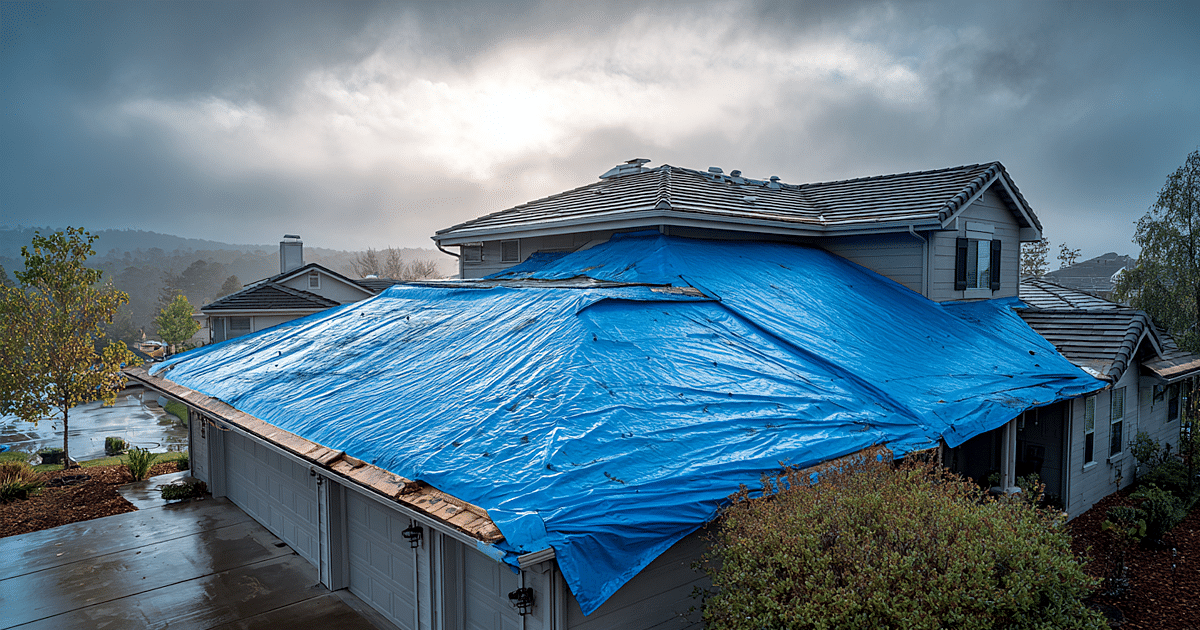
Water pouring in during a storm? A roof emergency is stressful, but the right moves in the first hour can save you thousands. This 2026 guide walks you through exactly what to do right now, what emergency repair and tarping cost, and how insurance works in PA, WV, and OH.
Here's the single most important number to remember: a $500 emergency tarp today can prevent $3,000 to $6,000 in water damage tomorrow. Acting fast isn't just about comfort - it's the cheapest decision you'll make. Every hour water sits inside, it spreads into insulation, drywall, framing, and wiring.
At Tri-Link Contracting Services, our veteran-owned team responds fast to storm and roof emergencies across Pittsburgh, Washington County, Allegheny County, Morgantown WV, and Wheeling WV. Here's your action plan.
- Contain water inside first, document everything, then call a roofer
- A $500 tarp can prevent $3,000-$6,000 in water damage
- Emergency tarping costs about $400-$1,500; repairs $250-$3,200
- Insurance covers emergency work under your "duty to mitigate" - keep receipts
- Never climb a damaged roof; never call 911 for a leak
Roof Emergency: The Quick Answer
If water is entering your home now: protect people, contain the water inside, document the damage with photos, and call a professional roofer for emergency stabilization. Don't climb the roof yourself. Professional tarping (about $400-$1,500) stops the bleeding until a permanent repair can be done, and your insurance typically covers it as part of your duty to prevent further damage.
What Counts as a Roof Emergency?
Not every issue needs a midnight call, but these do:
- Active interior leaks - water dripping into your home during rain
- A fallen tree or large limb on the roof
- Storm-torn or missing shingles exposing the deck or underlayment
- A hole or puncture from debris impact
- Sagging or any sign of structural compromise
- Wind-lifted roofing after a severe storm
Sudden leaks often follow wind or hail damage - even if the roof looked fine from the ground before the storm.
What to Do Right Now: Step by Step
Step 1: Protect People First
Keep everyone away from sagging ceilings and any water near electrical fixtures. If you smell gas or see major structural damage, leave and call the utility company.
Step 2: Contain the Water Inside
Place buckets under drips, move furniture and valuables, and lay down towels. If a ceiling is bulging with trapped water, a small poke with a screwdriver into a bucket can prevent a larger collapse (only if safe to reach).
Step 3: Document Everything
Photograph and video all damage - inside and out from the ground - with dates. This is essential for your insurance claim.
Step 4: Call a Professional Roofer
Get emergency stabilization and tarping. Do NOT climb onto a wet, damaged roof - falls are a leading cause of serious injury. And don't call 911; fire crews are for life safety, not leaks.
Step 5: Contact Your Insurer
Report the damage and start your claim. Keep every receipt for emergency work.
A storm-damaged roof is slippery and structurally unpredictable. More people are hurt inspecting emergency damage than by the damage itself. Assess from the ground and let trained pros handle the roof.
Emergency Roof Tarping
Tarping is the fast, temporary fix that buys you time. A quality tarp is secured with boards and screws - not just weighted down - so it can withstand wind and moderate storms. It typically lasts 30 to 90 days, long enough to schedule a proper permanent repair.
Professional tarping costs about $400 to $1,500 for most homes, or roughly $1 to $2.80 per square foot. Why so much for a $30 tarp? You're paying for hazard pay - crews often install tarps while it's still windy or raining. It's dangerous, skilled work, and it's worth every penny when it stops interior damage.
Emergency Roof Repair Costs
Here's what emergency roof work typically costs in 2026:
| Emergency Service | Typical Cost |
|---|---|
| Emergency tarping | $400 - $1,500 |
| Minor leak / patch repair | $300 - $800 |
| Leak with water damage | $1,000 - $6,000 |
| Major storm or tree damage | $5,000 - $15,000+ |
Costs depend on damage severity, roof pitch, accessibility, and time of day. A leaking roof can point to a bigger issue - see our roof leak repair guide for permanent-fix pricing.
Why Emergency Repair Costs More
Emergency work carries a premium of roughly 25% to 40%, or a $200 to $500 call-out fee, with after-hours labor sometimes at a 50-100% premium. This is normal and fair - it covers mobilizing a crew immediately, often at night or in dangerous weather. What's NOT fair is a contractor charging 200-300% premiums or quoting $5,000+ for basic tarping. Always ask for the emergency charge in writing before work starts.
Does Insurance Cover Emergency Roof Repair?
Yes. Most homeowners policies cover emergency tarping and repairs when the damage comes from a covered event like a storm, wind, hail, or a fallen tree. Importantly, your policy includes a "duty to mitigate" - meaning you're expected to take reasonable steps (like tarping) to prevent further damage. That makes emergency tarping not just smart, but often required. Keep every receipt for reimbursement. Our roof insurance guide explains deductibles and the claims process.
Avoid Storm-Chaser Scams
After big storms, out-of-town "storm chasers" flood the area. They often quote inflated prices, do substandard temporary work, pressure you to sign on the spot, and vanish before problems surface. Protect yourself:
- Hire a licensed, established local contractor with a real local address
- Never pay the full amount upfront or sign over your insurance check
- Get the scope and emergency charges in writing
- Check reviews and BBB rating before hiring
Our guide on choosing a roofing contractor covers the full list of red flags.
How to Prevent Roof Emergencies
Many emergencies are avoidable with basic upkeep:
- Trim overhanging branches that could fall on the roof
- Get an annual roof inspection to catch weak points
- Follow a maintenance routine - clean gutters, fix small issues early
- Address aging roofs before they fail in a storm
Why Choose Tri-Link Contracting
In an emergency, you want a roofer who responds fast and works honestly. Here's why homeowners across Pittsburgh, Washington County, Allegheny County, Morgantown WV, Wheeling WV, and Cuyahoga County OH trust Tri-Link.
- Veteran owned and operated with military discipline and honest work
- Fast emergency response for tarping and stabilization
- 15+ years of storm experience across PA, WV, and OH
- A+ BBB rating and 4.9-star Google reviews from 110+ customers
- Honest insurance help - we document damage and never inflate claims
- Local and established - not storm chasers who disappear
- Transparent emergency pricing in writing before work starts
Roof Emergency? We Respond Fast.
Call the most trusted veteran-owned roofing team in PA, WV, and OH. We'll stabilize your roof, stop the damage, and help with your insurance claim.
Final Thoughts
A roof emergency is scary, but speed is your best friend. Contain the water, document everything, and get a professional to tarp and stabilize fast - that $500 tarp can save you thousands in water damage and strengthen your insurance claim. Skip the storm chasers and call a trusted local roofer who'll see the job through to the permanent repair.
Tri-Link Contracting responds quickly to roof emergencies across Pittsburgh, Washington County, Allegheny County, Morgantown WV, Wheeling WV, and Cuyahoga County OH.
Have a roof emergency? Call us now at 724-470-7669 or request help online.

Frequently Asked Questions
Have more questions about roof emergencies? Here are the most common questions we hear from homeowners across PA, WV, and OH.
Protect people first, then contain the water inside with buckets and move valuables. Take photos and videos of all damage, then call a professional roofer for emergency stabilization. Do not climb onto a wet or damaged roof, and do not call 911 for a roof leak.
Emergency roof repair typically costs $250 to $3,200 for common problems. Professional tarping runs about $400 to $1,500, minor patching $300 to $800, and major storm or tree damage can climb to $5,000 to $15,000 or more.
Professional roof tarping costs about $400 to $1,500 for most homes, or roughly $1 to $2.80 per square foot for emergency work. The price reflects hazard pay for working in dangerous storm conditions, not just the tarp material itself.
Yes, most homeowners policies cover emergency tarping and repairs when the damage results from a covered event like a storm. You have a duty to mitigate further damage, so act fast and keep all receipts for reimbursement, minus your deductible.
Emergency work carries a premium of about 25 to 40 percent, or a $200 to $500 call-out fee, because crews mobilize immediately, often at night or in bad weather, and do dangerous work. Ask for the emergency charge in writing before work begins.
A properly installed tarp secured with boards and screws lasts about 30 to 90 days. It is a temporary measure, so schedule a permanent repair within 30 days and check the tarp after every windstorm to make sure it has not pulled loose.
Yes. Out-of-town storm chasers often quote inflated prices, do substandard temporary work, and disappear before problems surface. Always hire a licensed, established local contractor who will stand behind the work and be there for the permanent repair.
We serve Pittsburgh, Canonsburg, Bridgeville, Washington County, Allegheny County, Westmoreland County, Morgantown WV, Wheeling WV, northern West Virginia, Cuyahoga County OH, Lorain County OH, and surrounding areas.